
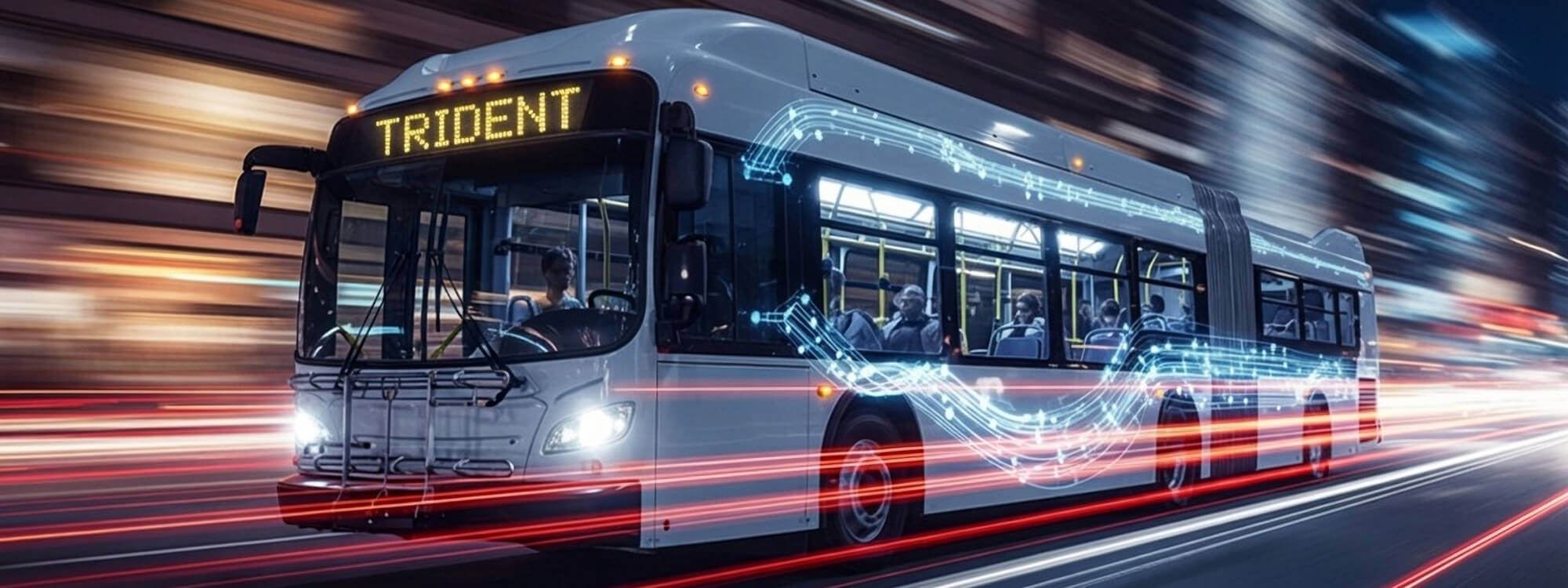
Fire detection is too late.
Trident identifies thermal events before failure—giving transit systems time to act, protect assets, and reduce loss.
Trident transit fire detection system, shifts fire protection from reaction to prevention by identifying abnormal heat patterns before failure occurs. Trident provides earlier visibility and actionable alerts by:
- Adding 4K optical and thermal detection technology
- Installing improved TLSE/CTI to increase accuracy, minimize false discharge and collect data
- Enables earlier intervention or asset protection
- Delivering multi-stage alerts as conditions escalate
- Capturing data for insurance and root-cause analysis
Transit fire detection systems haven’t changed in 30 years.
Current transit fire systems rely on various gas and thermal sensors whose only function is to fire a cannister when they fault. By the time you know something’s wrong, it’s already too late to save the vehicle. But here’s the truth:
- Thermal events develop long before alarms activate
- Current systems rely on gas detection—triggered after combustion begins
- Most systems confirm loss instead of preventing it
- Opportunities for intervention exist, but remain invisible on current systems

Participate in testing!
We’re looking for agencies interested in:
- Contributing vehicles and battery boxes for practical testing and data evaluation
- Testing next-generation gas, thermal, and optical sensor technologies
- Enhancing existing suppression systems with real-time intelligence
- Adding cloud dashboards, notifications, and predictive monitoring
- Improving early identification of thermal events
- Learning more about the Trident platform
The core tenets of the Trident transit fire detection system:
- Identify: Continuous thermal monitoring identifies anomalies in real time
- Notify: Alerts increase in severity as conditions change
- Nullify: Operators intervene early—or protect surrounding assets when loss is unavoidable
Benefits of the Trident Platform:
- Earlier visibility into developing failures
- Greater opportunity to prevent vehicle loss
- Reduced risk to nearby vehicles and facilities
- Clear, actionable data for post-incident investigation & root cause analysis
- More control in time-critical situations
See the difference:
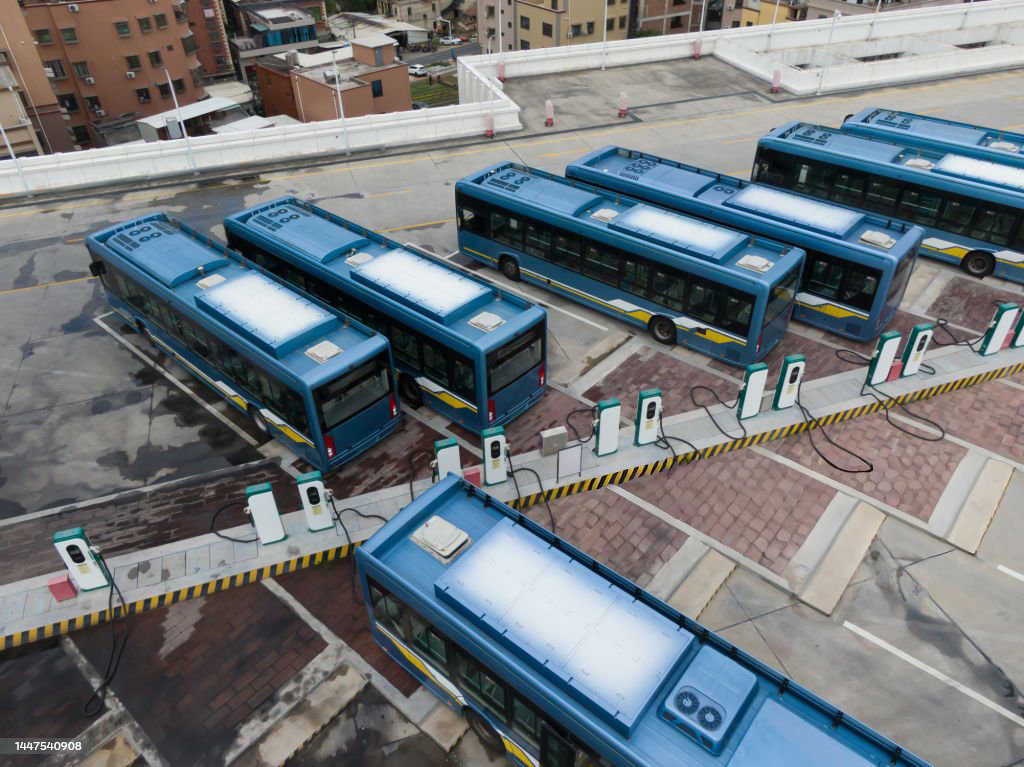
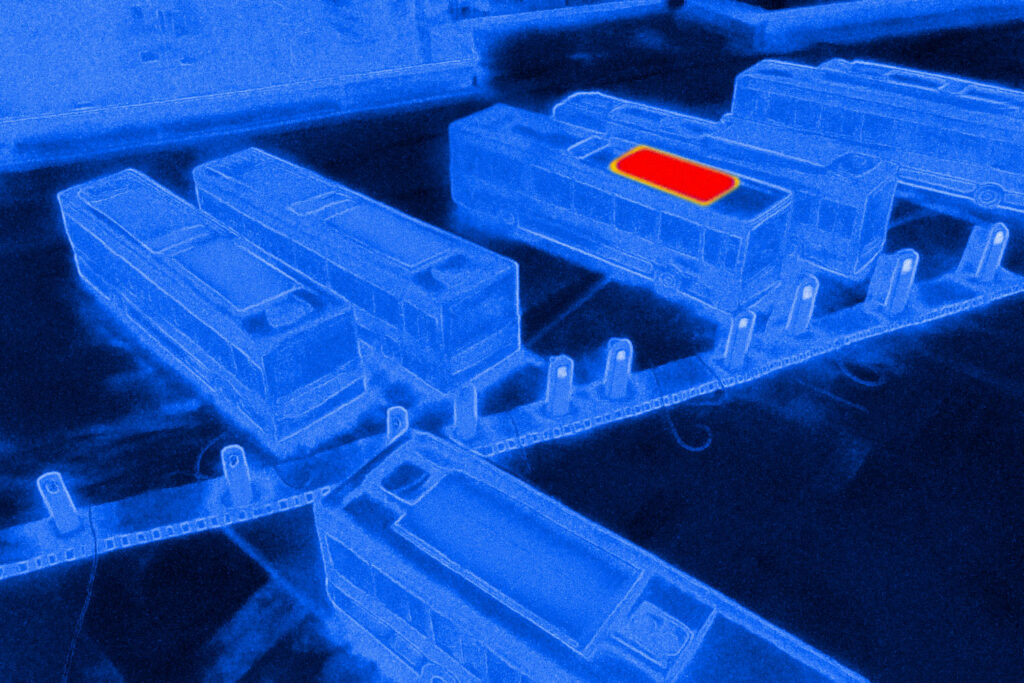
Early stage thermal detection reveals what traditional systems miss—before the fire begins.
See what matters—without looking for it.
Trident’s intuitive transit fire detection system dashboard provides instant alerts and events—designed for desktop and mobile.
- Built for transit agencies, fleet operators, and safety leaders
- Compatible with modern fleet systems and infrastructure
- Backed by real-time data and thermal intelligence
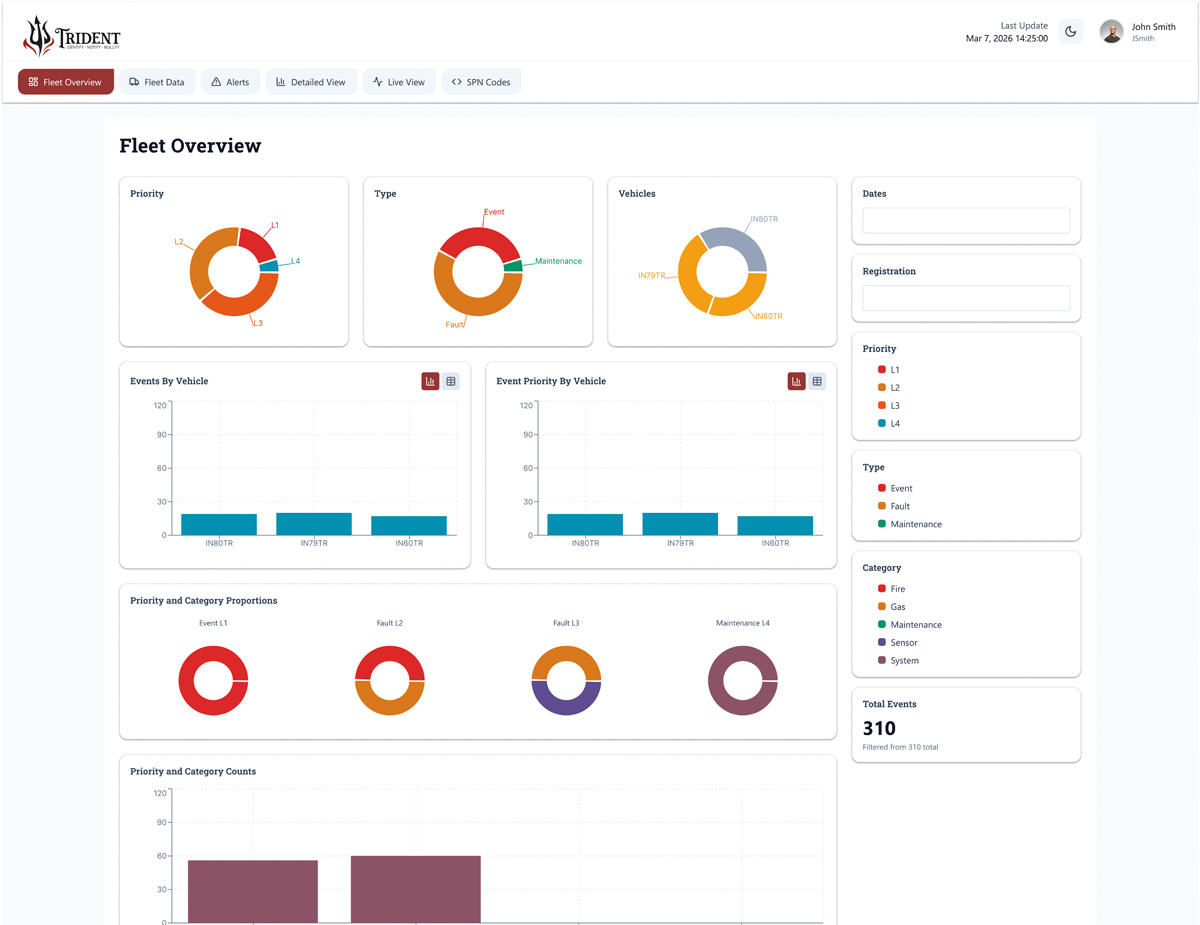
Fleet Overview: A snapshot of the overall health and performance of your fleet.
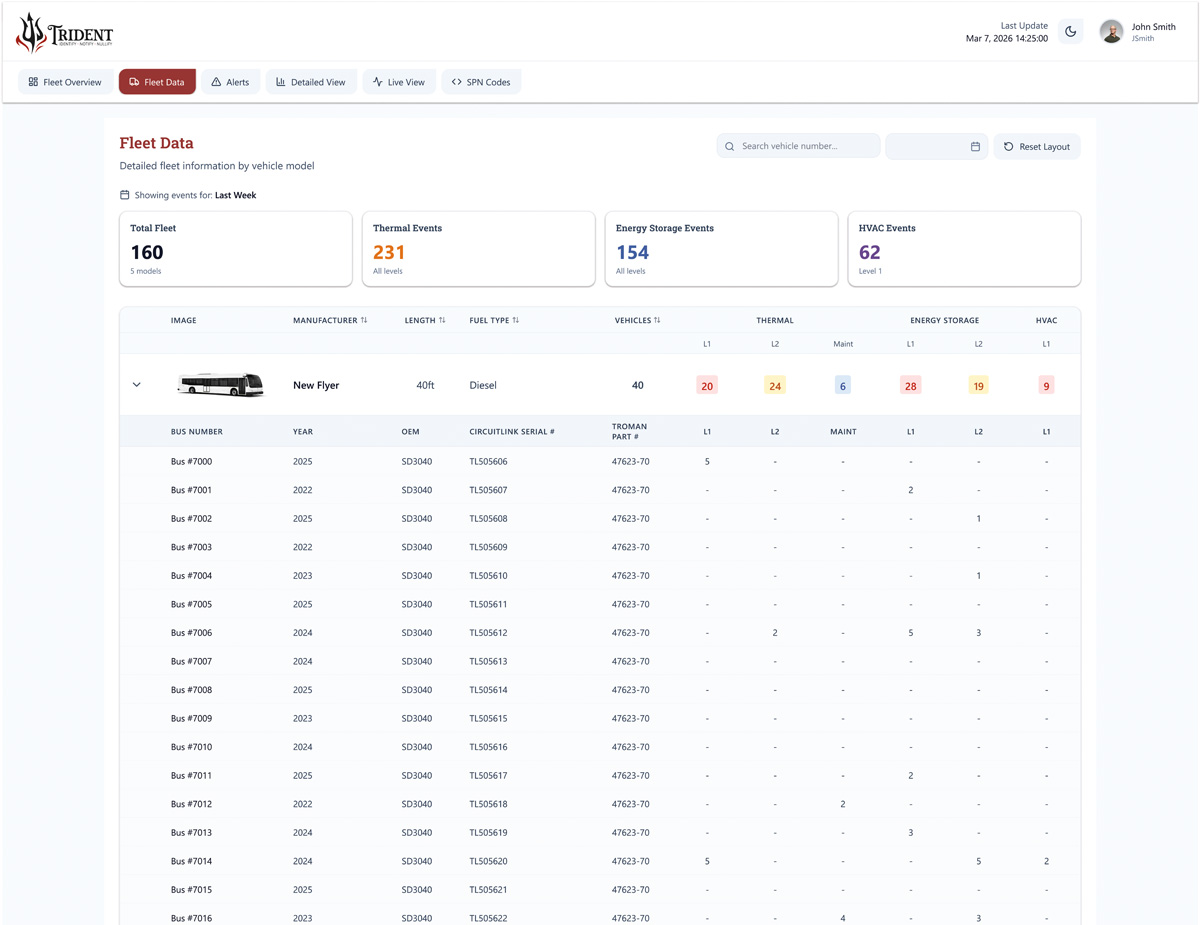
Drill into performance, trends, and historical thermal activity across vehicles.
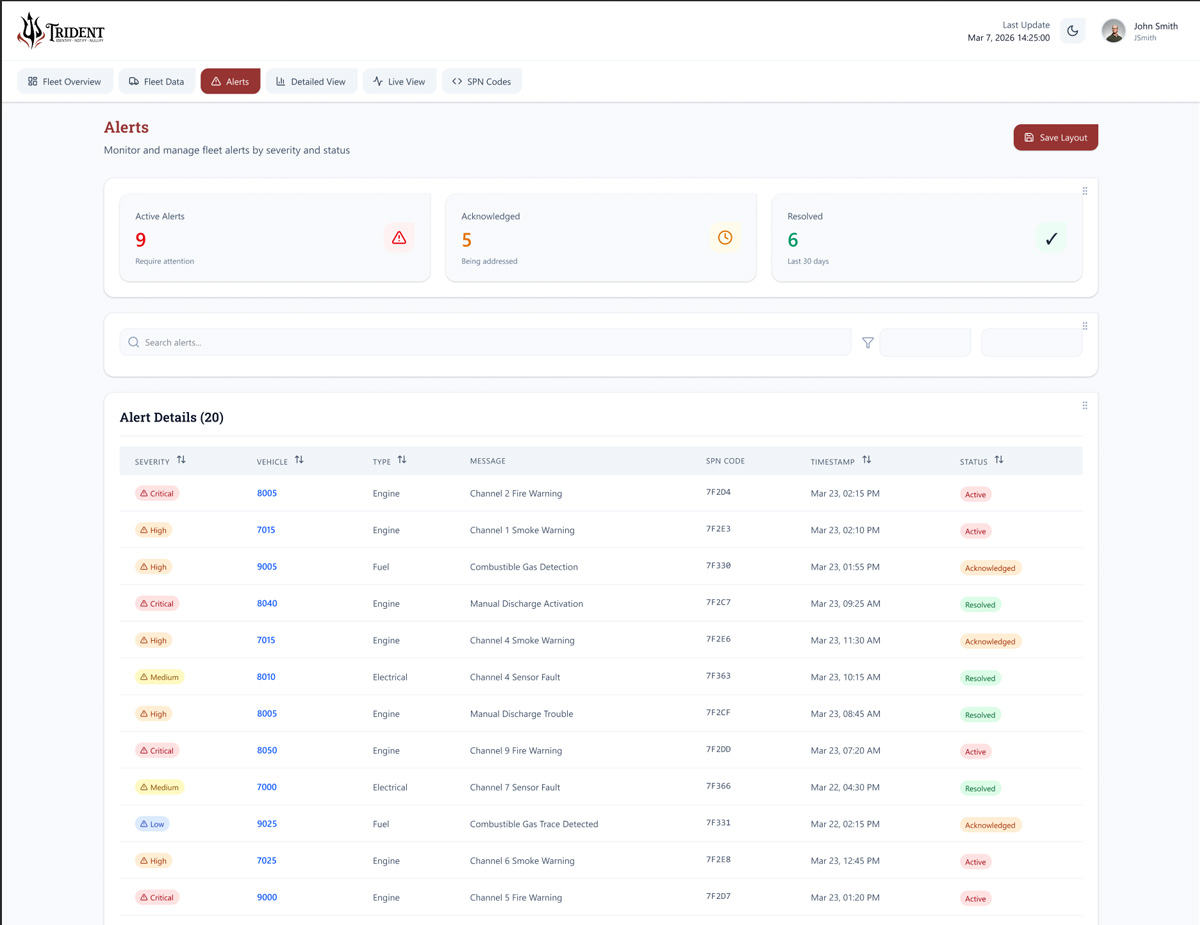
Active and escalating alerts—prioritized so you can act quickly.
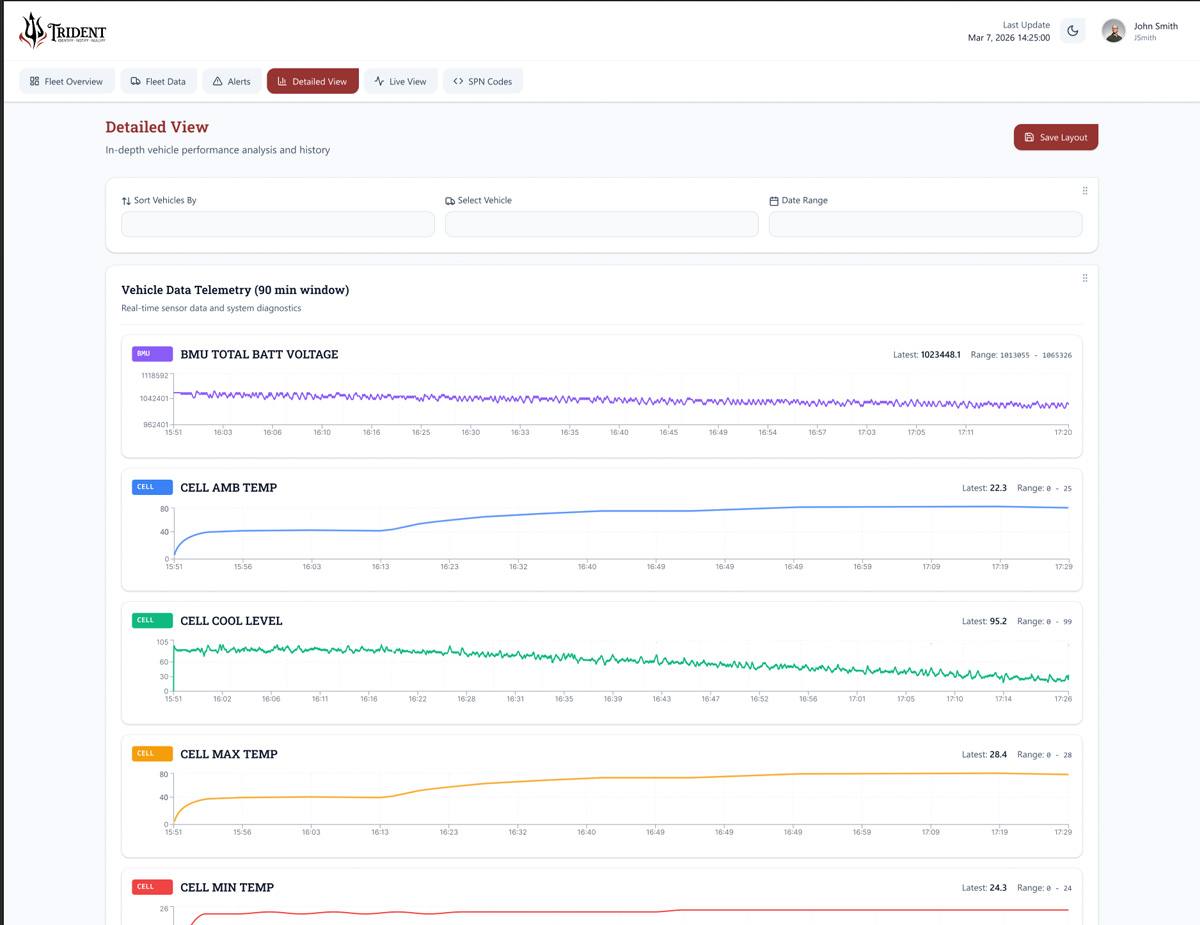
Deep dive into a single vehicle’s thermal profile and system status.
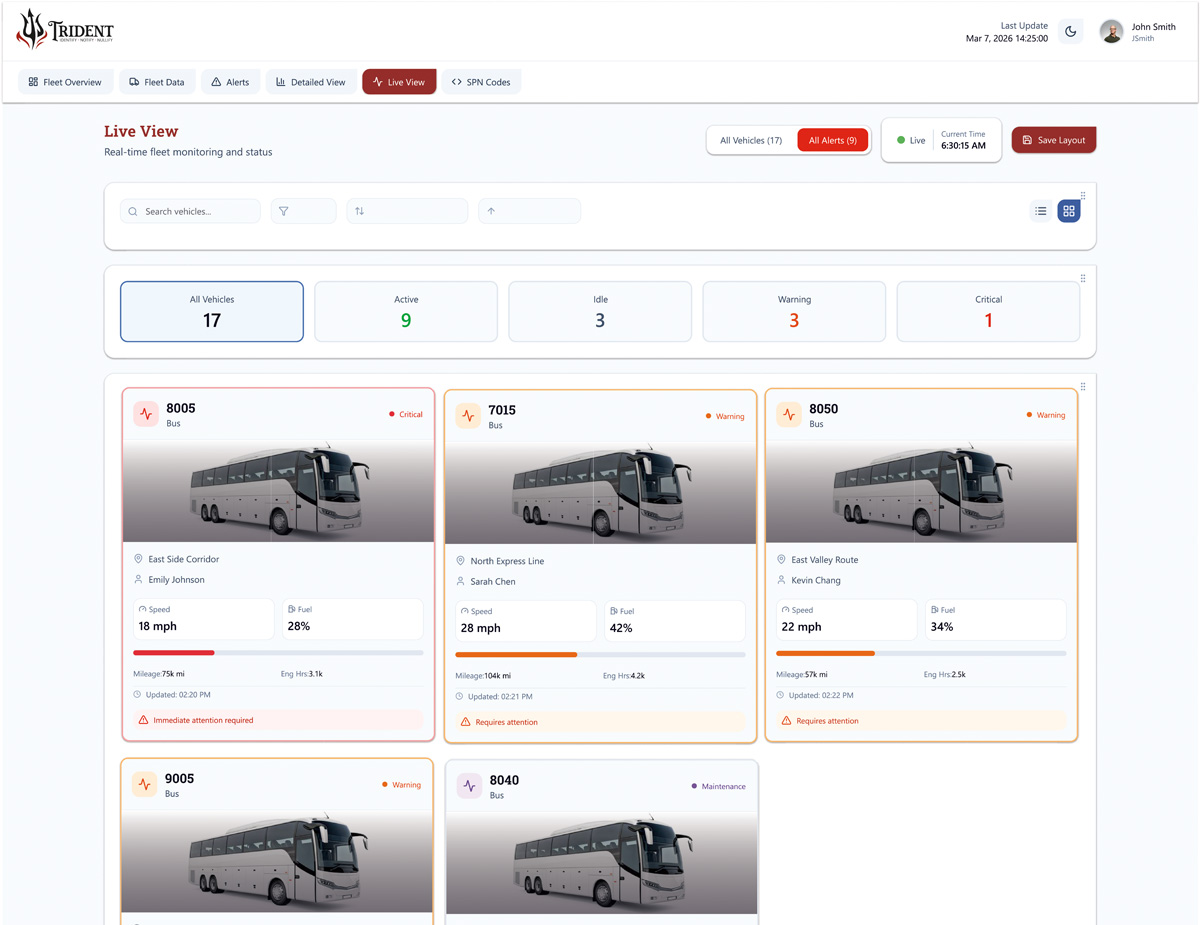
Monitor real-time thermal conditions as they develop.
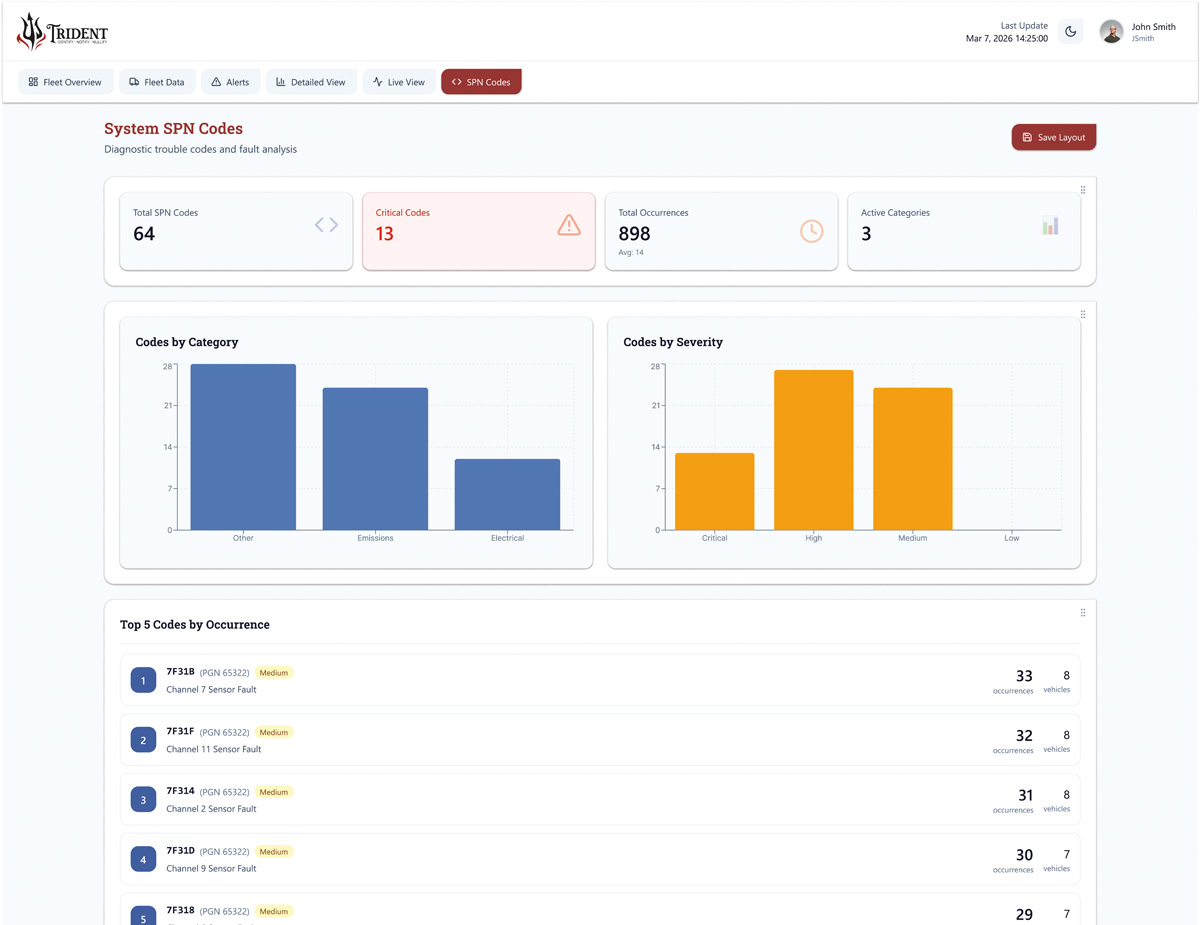
Diagnostic fault codes translated into clear, actionable insight.
Why This Matters Now
When a lithium-ion thermal runaway event occurs, the only available response is often to isolate the vehicle and allow the event to fully develop. These incidents can exceed $1.5 million in losses per vehicle and create significant operational disruption.
The Trident system is designed to change that outcome.
By identifying abnormal conditions early, notifying agencies immediately, and enabling rapid response, Troman’s Trident system provides critical time to act—before escalation.







![KTLA-TV [KTLA 5]](https://pressranger.s3.us-west-1.amazonaws.com/2569648/HGYg1VSAycsXU7cAwQ1gQm6Sr5GixQjto9g6Z2rp.png)